Four groups of children and young people, and the families around them.
Each with a distinct set of barriers — and a distinct LPF response.
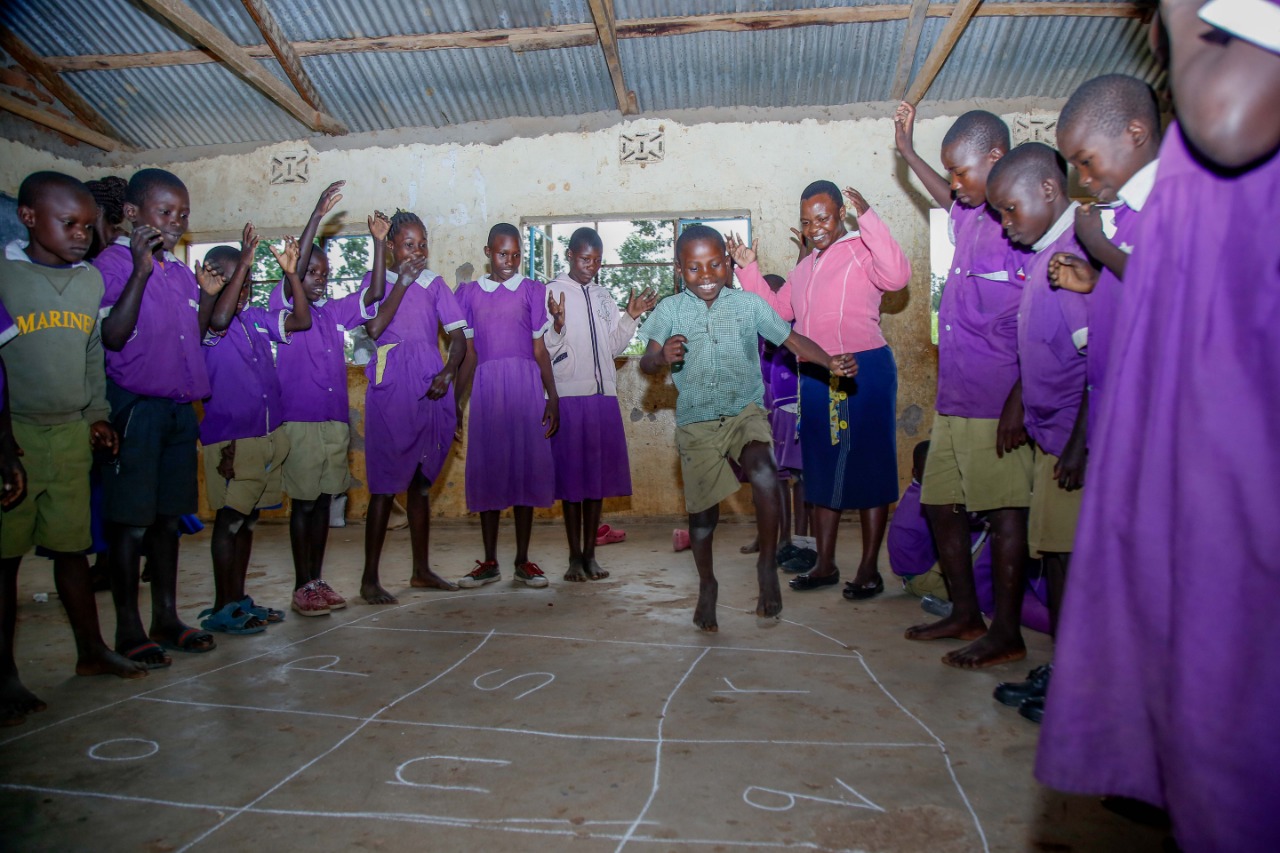
Children in ECD benefit from quality foundational education, nutrition support, play-based learning, and school-readiness programs that foster cognitive, emotional, and social development. LPF integrates play-based learning for children aged 2–8 through community-run centers using storytelling, dramatic play, group games, and art. Parents and caregivers are trained to turn daily routines — cooking, gardening, singing — into playful learning. Inclusive play supports children with disabilities; therapeutic play, drawing, puppetry, and pretend play support children processing trauma; peer-led models build literacy, numeracy, and teamwork.
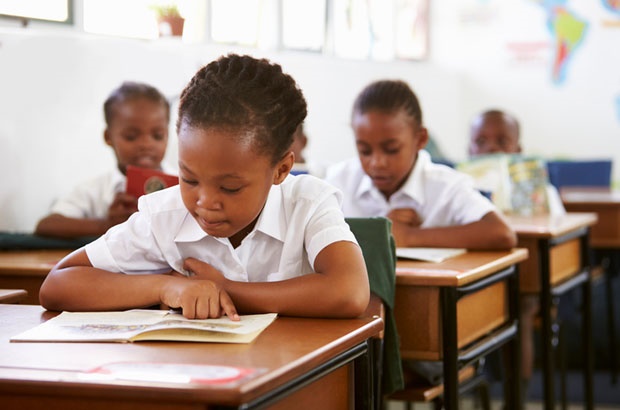
Nearly 8.4 million Ugandan children come from poor households (UNHS 2021), where schooling costs drive late enrollment, absenteeism, and dropout. UNEB (2022) found 60% of P3 pupils cannot read a simple sentence and 55% cannot perform basic division; only 33% of children who enroll in P1 complete P7 (MoES 2022). Girls remain more likely to drop out due to early marriage and teenage pregnancy — 34% of girls are married before 18, and 25% of girls 15–19 have begun childbearing (UDHS 2022). Targeting 55% girls and 45% boys deliberately corrects this disadvantage while still supporting boys facing child-labor risk. Each additional year of schooling increases future income by 10% (World Bank, 2021).
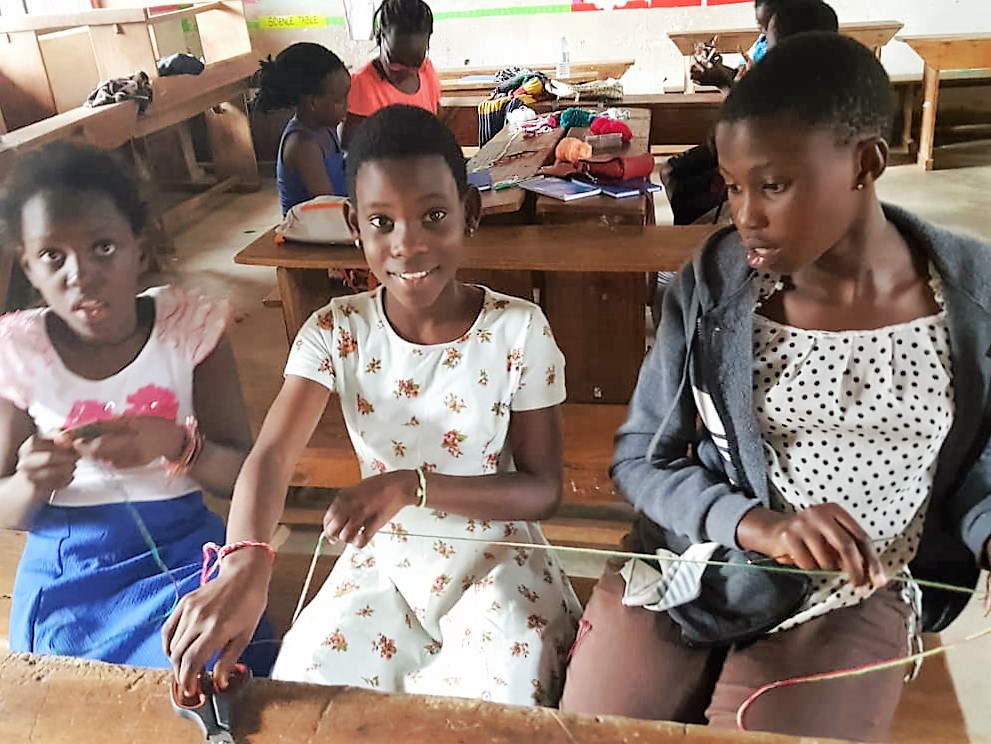
An estimated 4.5 million Ugandan children are out of school, the majority girls (UBOS 2021). 25% of adolescent girls 15–19 are already mothers or pregnant with their first child (UDHS 2022) — roughly 1 in 4 girls forced out of school before completing primary or secondary education. 34% of Ugandan girls are married before 18, and 7% before 15. Only 13% of teenage mothers return to school after giving birth (MoES 2021). Uganda's Maternal Mortality Ratio stands at 189 per 100,000 live births (MoH 2022). LPF's second-chance education, vocational skills, and reproductive-health knowledge restore dignity and break intergenerational cycles of poverty — educated mothers are 50% more likely to immunize their children (UNESCO, 2020).
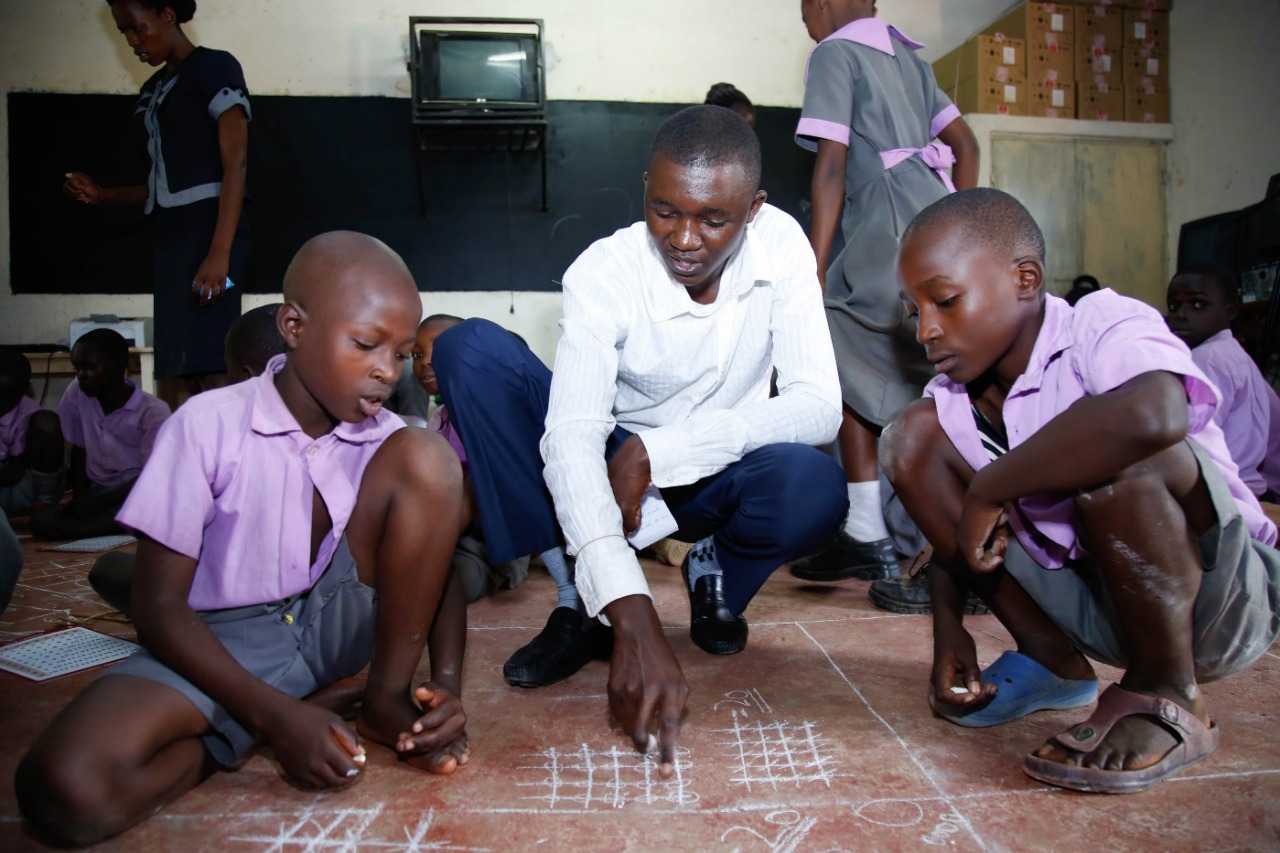
Over 1.2 million boys aged 10–24 are out of school, and nearly 41% drop out before completing lower secondary (UBOS 2023) — driven by poverty, child labor, and early family responsibility. 26% of young men 18–30 are unemployed or underemployed, with 45% in informal, low-paying work (Uganda Labour Force Survey, 2019). Nearly 18% of adolescent and young adult males 15–24 have already become fathers, often excluded from parenting programs and reproductive health education (UNFPA, 2022). LPF breaks this cycle through vocational skilling, re-entry pathways to education, mentorship, and responsible-fatherhood initiatives.
Approximately 58% of children under 18 in Uganda live with both biological parents. 18% live with neither biological parent, 24% live with their mother only, and 19% live with their father only (UBOS & UNICEF, 2023).
Approximately 40% of orphans and vulnerable children (OVC) in Uganda live with their grandparents (HelpAge International, 2022) — who care for 51% of the country's AIDS orphans.
Beyond the children we serve directly, LPF's work strengthens the whole ecosystem around them.
Deliver curriculum, mentor learners, and model positive health, gender-equality, and digital-literacy practices.
Allocate resources and set the tone for school culture, discipline, inclusion, and equity.
Design curricula, mentor teachers, and drive evidence-based reform and technology integration.
Preserve heritage, guide social norms, and mobilize communities around health and education initiatives.
Formulate laws and strategies, and decide on budgets, funding, and infrastructure investment.
Bring research and analytics across education, health, agriculture, and governance to guide interventions.
Generate new knowledge, test interventions, and train students, teachers, and professionals.
Share program updates, raise awareness, and facilitate discussion between policymakers and communities.
Uganda Police Force, UPDF, and Uganda Prisons Service — ensuring the safety of children and communities.
Provide jobs to young people across manufacturing, services, and technology industries.