From the Back Row to the Front of the Class: Akello's Story
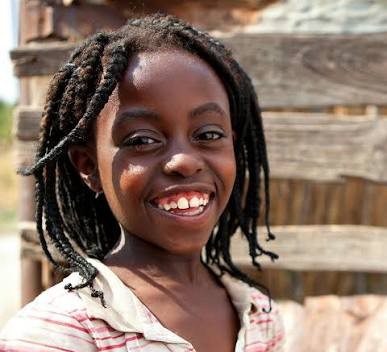
Akello Grace is ten years old and lives with her grandmother in a small village deep in Agago District, in Uganda's Acholi subregion — a two-hour walk from the nearest health centre, and nearly as far from the nearest well-staffed school. By Primary Three, she still couldn't read a single sentence on her own. Her exercise books were mostly blank. Her teacher had quietly moved her to the back row.
"I used to copy letters without knowing what they meant," Akello says. "I was ashamed to read aloud, so I stopped trying."
What her teachers hadn't caught was that Akello was also struggling to see the blackboard clearly — a problem no one in her village had the means to diagnose, let alone treat. Like many children in hard-to-reach communities, an undetected health barrier was quietly compounding a learning one.
That changed when Learn Plus Foundation brought a two-week Numeracy and Literacy Camp to her sub-county during the school holiday — one of several catch-up camps run in partnership with local primary schools to reach children who'd fallen behind. Alongside daily foundational reading and numbers instruction, the camp included a basic health screening for every child: vision, hearing, and general wellness checks run alongside the learning sessions.
The screening flagged Akello's eyesight immediately. With a referral and a pair of reading glasses, she could suddenly see the letters her teachers had been writing all along.
"When they gave me the glasses, it was like someone had wiped a foggy window," Akello says. "I could see the board. I could see my own book."
Paired with two weeks of small-group, phonics-based reading instruction and daily numeracy drills, something shifted quickly. By the end of the camp, Akello could sound out simple words for the first time. Her camp facilitator, a local volunteer teacher, remembers the moment well.
"She read her first full sentence out loud on day nine," he says. "The whole group clapped. She read it twice more, just to hear herself do it."
Akello returned to school the following term no longer at the back of the class. Her teacher reports she now volunteers to read aloud, and she's caught up enough to sit comfortably with her age group in numeracy. Her grandmother says she now practices her letters by lamplight most evenings, sounding out words from an old newspaper.
"Nobody knew she couldn't see properly," her grandmother says. "We thought she was just slow. Now she wants to be a teacher."
Akello's story reflects something Learn Plus Foundation sees often in hard-to-reach districts like Agago: learning gaps and health gaps rarely arrive separately, and addressing one without the other only gets a child so far. It's why every numeracy and literacy camp now includes a basic health screening as standard — a small addition that, for children like Akello, can make the difference between falling further behind and finally catching up.
"I used to copy letters without knowing what they meant," Akello says. "I was ashamed to read aloud, so I stopped trying."
What her teachers hadn't caught was that Akello was also struggling to see the blackboard clearly — a problem no one in her village had the means to diagnose, let alone treat. Like many children in hard-to-reach communities, an undetected health barrier was quietly compounding a learning one.
That changed when Learn Plus Foundation brought a two-week Numeracy and Literacy Camp to her sub-county during the school holiday — one of several catch-up camps run in partnership with local primary schools to reach children who'd fallen behind. Alongside daily foundational reading and numbers instruction, the camp included a basic health screening for every child: vision, hearing, and general wellness checks run alongside the learning sessions.
The screening flagged Akello's eyesight immediately. With a referral and a pair of reading glasses, she could suddenly see the letters her teachers had been writing all along.
"When they gave me the glasses, it was like someone had wiped a foggy window," Akello says. "I could see the board. I could see my own book."
Paired with two weeks of small-group, phonics-based reading instruction and daily numeracy drills, something shifted quickly. By the end of the camp, Akello could sound out simple words for the first time. Her camp facilitator, a local volunteer teacher, remembers the moment well.
"She read her first full sentence out loud on day nine," he says. "The whole group clapped. She read it twice more, just to hear herself do it."
Akello returned to school the following term no longer at the back of the class. Her teacher reports she now volunteers to read aloud, and she's caught up enough to sit comfortably with her age group in numeracy. Her grandmother says she now practices her letters by lamplight most evenings, sounding out words from an old newspaper.
"Nobody knew she couldn't see properly," her grandmother says. "We thought she was just slow. Now she wants to be a teacher."
Akello's story reflects something Learn Plus Foundation sees often in hard-to-reach districts like Agago: learning gaps and health gaps rarely arrive separately, and addressing one without the other only gets a child so far. It's why every numeracy and literacy camp now includes a basic health screening as standard — a small addition that, for children like Akello, can make the difference between falling further behind and finally catching up.